Leiterplatten werden zum strategischen Engpass der Elektronikindustrie – Europa muss jetzt handeln
Die aktuelle Warnung der Global Electronics Association vor zunehmenden Engpässen in der weltweiten Leiterplatten-Lieferkette bestätigt eine Entwicklung, die sich in der Elektronikindustrie bereits seit einiger Zeit abzeichnet: Die rasant steigende Nachfrage nach Leiterplatten für KI-Rechenzentren trifft auf begrenzte Fertigungs- und Materialkapazitäten. Die Folgen werden zunehmend auch andere Industriezweige zu spüren bekommen.
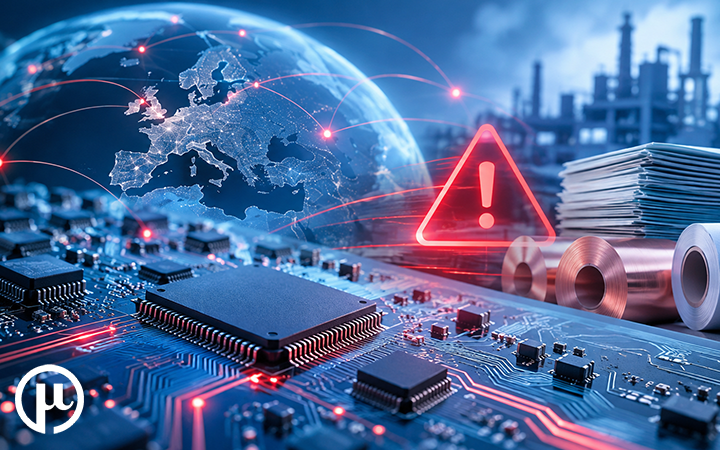
Besonders kritisch ist dabei, dass es längst nicht mehr ausschließlich um die Verfügbarkeit von Leiterplatten geht. Auch die benötigten Vorprodukte wie Glasgewebe, Harze, Kupferfolien und Laminate geraten unter Druck. Der massive Ausbau der Produktionskapazitäten für KI-Anwendungen verschärft damit den Wettbewerb um Ressourcen entlang der gesamten Lieferkette.
Die entscheidende Frage lautet deshalb nicht mehr nur, wer Leiterplatten produzieren kann, sondern wer sich die dafür notwendigen Materialien und Produktionskapazitäten langfristig sichern kann.
Als deutscher Leiterplattenhersteller beobachten wir diese Entwicklung mit großer Aufmerksamkeit. Die zunehmende Nachfrage nach hochkomplexen, mehrlagigen Leiterplatten verändert den Markt nachhaltig. Gleichzeitig zeigt sich, wie verletzlich globale Lieferketten sind, wenn wesentliche Produktionskapazitäten und Materialquellen auf wenige Regionen konzentriert sind.
Dass Europa mittlerweile nur noch rund 2,2 Prozent der weltweiten Leiterplattenproduktion abdeckt, ist aus unserer Sicht ein deutliches Warnsignal. Eine leistungsfähige Elektronikindustrie benötigt eine ebenso leistungsfähige Leiterplattenindustrie. Ohne Leiterplatten gibt es keine funktionsfähigen elektronischen Baugruppen – unabhängig davon, wie viele Investitionen in Halbleiter, KI oder moderne Fertigungstechnologien fließen.
Die Leiterplatte muss wieder stärker als strategisches Industrieprodukt verstanden werden.
Gerade für Deutschland und Europa bietet sich jetzt die Möglichkeit, die Bedeutung einer regionalen und technologisch leistungsfähigen Leiterplattenfertigung neu zu bewerten. Kurze Lieferwege, direkte Kommunikation, technische Zusammenarbeit und eine größere Unabhängigkeit von internationalen Lieferketten sind keine abstrakten Standortvorteile. Sie können im Ernstfall über die Lieferfähigkeit ganzer Industriezweige entscheiden.
Dabei geht es ausdrücklich nicht darum, die internationale Arbeitsteilung infrage zu stellen. Globale Lieferketten werden auch künftig unverzichtbar sein. Es geht vielmehr darum, kritische Abhängigkeiten zu reduzieren und eine ausgewogene, widerstandsfähige Produktionsstruktur zu schaffen.
Dafür braucht es Investitionen in moderne Fertigungstechnologien, verlässliche Rahmenbedingungen, qualifizierte Fachkräfte und eine stärkere politische Anerkennung der Leiterplattenindustrie als Teil der strategischen Elektronikversorgung. Ebenso wichtig ist eine partnerschaftliche Zusammenarbeit zwischen Herstellern, Kunden und Materiallieferanten.
Auch die Kunden sind gefordert: Frühzeitige Bedarfsplanung, realistische Prognosen und langfristige Partnerschaften gewinnen erheblich an Bedeutung. Wer seine Lieferketten erst dann absichert, wenn Engpässe bereits eingetreten sind, wird künftig zunehmend Schwierigkeiten haben, benötigte Kapazitäten zu erhalten.
Die von der Global Electronics Association prognostizierte Knappheit bis mindestens 2027 und eine mögliche Entspannung frühestens ab Mitte 2028 sollten deshalb von der gesamten Branche ernst genommen werden.
Unser Fazit: Die aktuelle Entwicklung ist nicht nur eine Herausforderung für die Leiterplattenindustrie, sondern eine strategische Bewährungsprobe für den gesamten Elektronikstandort Europa.
Wer auch in Zukunft innovative Elektronik entwickeln und zuverlässig produzieren möchte, muss die Leiterplatte als das betrachten, was sie ist: eine unverzichtbare Grundlage technologischer und industrieller Wertschöpfung.
Jetzt ist der richtige Zeitpunkt, die europäische Leiterplattenfertigung zu stärken – nicht erst dann, wenn die nächste Versorgungskrise bereits Realität ist.
English Version:
Printed Circuit Boards Are Becoming a Strategic Bottleneck for the Electronics Industry – Europe Must Act Now
The Global Electronics Association (GEA) has recently warned of growing bottlenecks in the global printed circuit board (PCB) supply chain. This warning confirms a trend that has been emerging across the electronics industry for some time: rapidly increasing demand for PCBs used in AI data centers is colliding with limited manufacturing and material capacity. The impact will increasingly be felt across other industries as well.
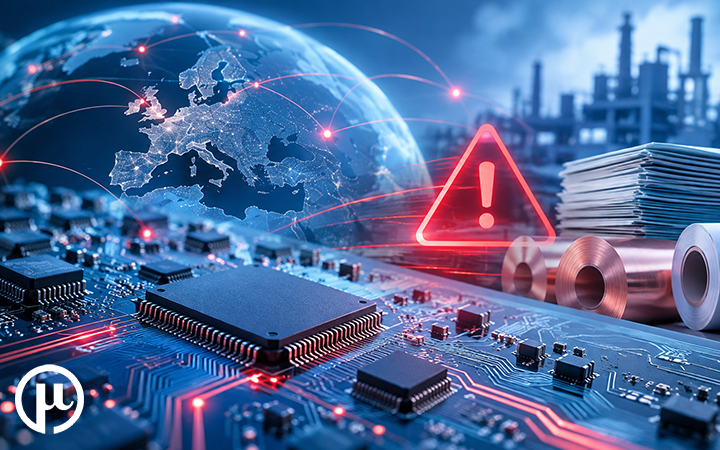
What makes the situation particularly critical is that the issue is no longer limited to PCB availability. The upstream materials required for PCB production, including glass fabric, resins, copper foil, and laminates, are also coming under increasing pressure. The massive expansion of production capacity for AI applications is intensifying competition for resources throughout the entire supply chain.
The key question is no longer simply who has the ability to manufacture PCBs, but who can secure the materials and production capacity needed to do so over the long term.
As a German PCB manufacturer, we are monitoring these developments very closely. Growing demand for highly complex, multilayer PCBs is fundamentally reshaping the market. At the same time, this situation highlights just how vulnerable global supply chains can be when critical manufacturing capacity and material sources are concentrated in only a few regions.
The fact that Europe now accounts for just around 2.2% of global PCB production should be a clear warning sign. A strong electronics industry requires an equally strong PCB manufacturing base. Without PCBs, there can be no functioning electronic assemblies – regardless of how much investment flows into semiconductors, AI, or advanced manufacturing technologies.
PCBs must once again be recognized as a strategic industrial product.
For Germany and Europe in particular, this is an opportunity to reassess the importance of maintaining a technologically advanced regional PCB manufacturing base. Shorter supply routes, direct communication, technical collaboration, and greater independence from international supply chains are not merely abstract competitive advantages. In a crisis, they can determine whether entire industries remain capable of delivering products.
This is by no means an argument against international specialization. Global supply chains will remain essential in the future. The real objective is to reduce critical dependencies and establish a balanced, resilient manufacturing structure.
Achieving this will require investment in advanced manufacturing technologies, reliable policy and regulatory frameworks, a skilled workforce, and greater political recognition of the PCB industry as a key component of Europe’s strategic electronics supply chain. Equally important is close, collaborative cooperation among manufacturers, customers, and material suppliers.
Customers also have an important role to play. Early demand planning, realistic forecasts, and long-term partnerships are becoming increasingly important. Companies that only begin securing their supply chains once shortages have already materialized will find it increasingly difficult to obtain the production capacity they need.
The supply constraints projected by the Global Electronics Association to persist through at least 2027, with potential relief not expected before mid-2028, should therefore be taken seriously by the entire industry.
Our conclusion: The current situation is not just a challenge for the PCB industry. It is a strategic test of resilience for Europe’s entire electronics manufacturing ecosystem.
Anyone looking to develop innovative electronics and manufacture them reliably in the future must recognize the PCB for what it truly is: an indispensable foundation of technological progress and industrial value creation.
Now is the time to strengthen PCB manufacturing in Europe – not after the next supply crisis has already become a reality.